Authored By-Perry Thyssen
When it comes to eye wellness, knowing the distinction between medical and medical eye treatment is important. Surgical eye care addresses serious problems through intrusive treatments, while clinical eye treatment focuses on prevention and administration of less serious problems.
Review of Surgical Eye Care
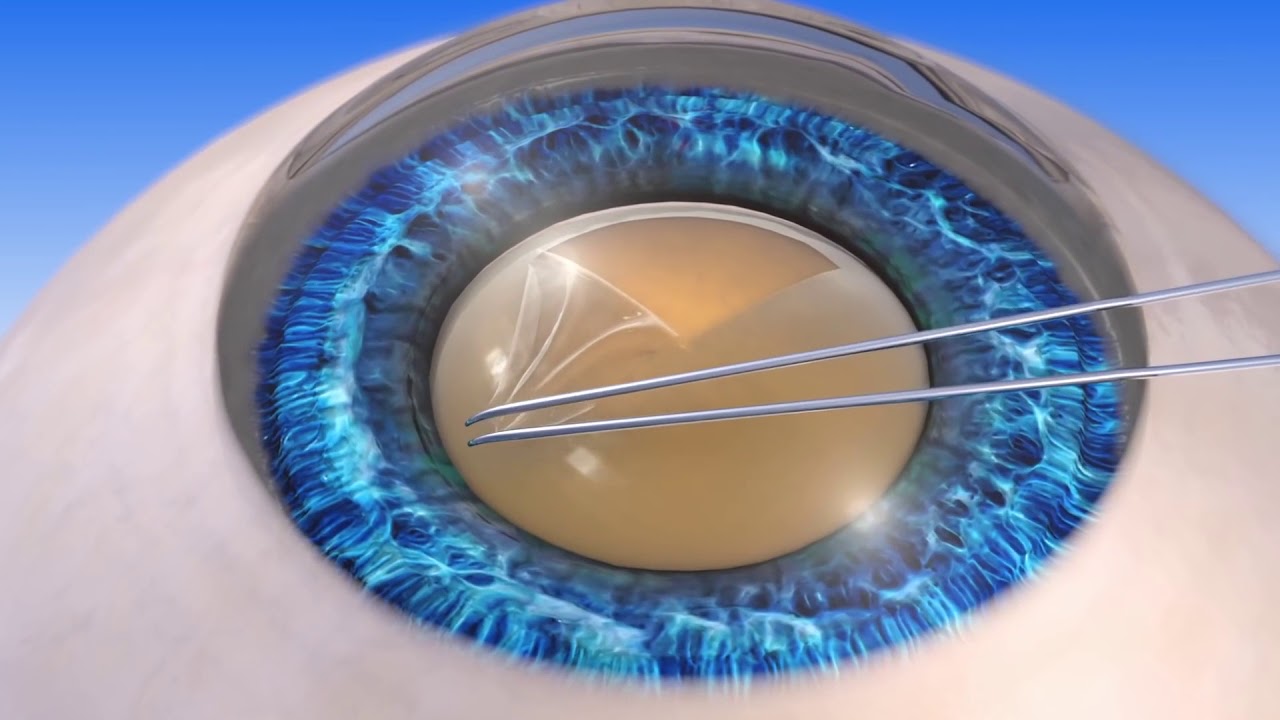
When you think of eye care, medical eye care often enters your mind as an essential choice for dealing with major vision problems. This kind of treatment focuses on treatments that can deal with or improve significant troubles, such as cataracts, glaucoma, or retinal problems.
You could think about LASIK or PRK for refractive mistakes, enabling you to lower dependancy on glasses or get in touches with. Surgical eye care entails a comprehensive assessment by an ophthalmologist, that'll lead you with needed examinations and discuss the most effective alternatives.
While these treatments can use amazing outcomes, it's essential to comprehend the risks and recuperation processes entailed. Eventually, medical eye care can offer life-changing improvements to your vision, enhancing your lifestyle substantially.
Review of Medical Eye Care
While medical eye treatment addresses considerable vision issues with procedures, clinical eye treatment focuses on the prevention, diagnosis, and treatment of much less serious eye problems.
This kind of care often entails handling chronic conditions like glaucoma, cataracts, and diabetic retinopathy. You'll usually visit an ophthalmologist or optometrist for comprehensive eye tests, where they'll assess your vision and eye wellness.
They may recommend medicines, suggest way of living adjustments, or offer non-invasive therapies to aid maintain your vision. https://www.verywellhealth.com/best-eye-drops-for-allergies-4686081 are important, as they can catch possible problems early.
When to Seek Each Type of Care, ##
Understanding when to seek medical or clinical eye treatment can make a significant distinction in your vision health. If you experience unexpected vision modifications, like blurriness or loss of view, it's critical to seek prompt medical attention.
Medical eye care is typically your initial step for conditions like completely dry eyes, allergies, or infections. You must see an optometrist for regular examinations to take care of continuous concerns.
On the various other hand, if you're taking care of sophisticated cataracts, retinal detachment, or glaucoma that hasn't reacted to medicine, medical intervention might be required.
Constantly trust your impulses-- if something really feels off with your eyes, don't be reluctant to speak with a professional. Your proactive approach can lead to better end results for your vision.
Final thought
In final thought, recognizing the difference between clinical and medical eye care is essential for preserving your vision. On the other hand, for less extreme concerns, normal clinical care can keep your eyes healthy and balanced and stop more problems.
Surgical Eye Care vs. Medical Eye Treatment: Understanding the Difference
When it comes to eye health and wellness, knowing the distinction in between surgical and medical eye treatment is critical. Surgical eye care addresses severe problems via intrusive treatments, while clinical eye treatment concentrates on avoidance and monitoring of less severe concerns. In final thought, understanding the difference between medical and clinical eye care is essential for maintaining your vision. On the other hand, for much less severe issues, regular medical treatment can maintain your eyes healthy and avoid further troubles.